


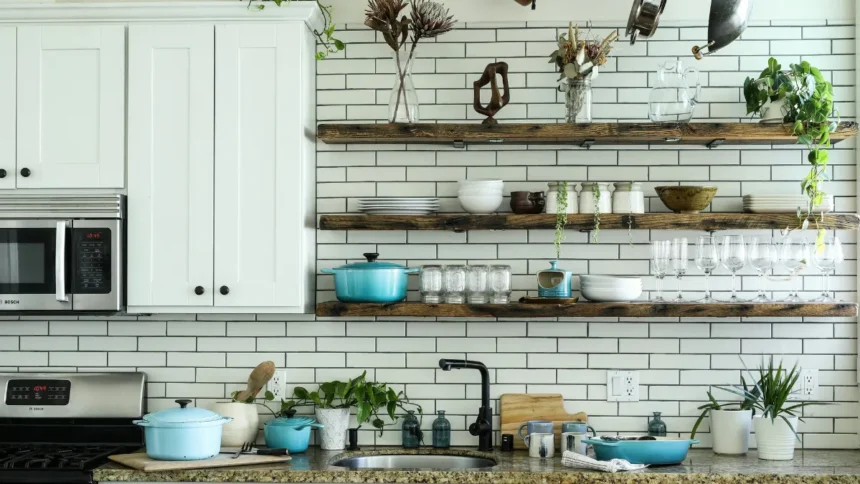
Walk into almost any magazine-worthy kitchen and you’ll notice the walls are working as hard as the counters. Adding floating shelves for kitchen spaces is one of the simplest ways to free up cabinet room while giving a plain wall some personality. This guide covers popular styles, storage strategies for small and large layouts, arranging tips, and safety basics, so you can plan a shelf setup that looks good and actually gets used every day. Whether you cook daily or entertain often, there’s an idea here.
- Popular Floating Shelves for Kitchen Styles and Materials
- Small Kitchen Storage Solutions
- Smart Ways to Arrange Your Shelves
- Colors and Seasonal Styling
- Choosing the Right Shelf for Your Kitchen
- Floating Shelf Styles at a Glance
- Installation Basics and Safety
- Practical Kitchen Decoration Tips
- Frequently Asked Questions
- How high should shelves hang?
- What material lasts longest?
- How should I decorate them?
- Do they suit small kitchens?
- How do I clean them?
- Conclusion
Popular Floating Shelves for Kitchen Styles and Materials
Shelf style sets the overall tone for the whole room, so it helps to know your main material options first.
Wood and Rustic Looks
Solid wood floating shelves bring warmth to white or gray cabinets. Rustic kitchen shelves, with visible grain or a distressed finish, suit farmhouse and cottage layouts. Pair them with ceramic crocks, cutting boards, and woven baskets for a lived-in feel.
Metal and Minimalist Looks
Black or brushed metal finishes suit modern and industrial kitchens, while slim white shelves nearly disappear against the wall. Minimalist floating shelves for kitchen walls stay clean-looking when you display fewer, carefully chosen pieces, such as a few bowls.
Small Kitchen Storage Solutions
Compact kitchens lose counter space quickly, which makes vertical storage one of the smartest places to start planning your layout.
Use Vertical Wall Space
Among the best small kitchen storage ideas is stacking two or three narrow shelves above a coffee station. Floating shelves for kitchen corners and empty wall strips hold daily dishes without crowding the counters or blocking light.
Keep Frequently Used Items Close
Reserve the shelf nearest your prep area for oils, spices, and everyday mugs. Limit each shelf to what you reach for daily, and move occasional items into cabinets so the wall stays tidy, functional, and easy to clean.
Smart Ways to Arrange Your Shelves
A good arrangement balances function and style, so the shelves feel intentional instead of cluttered or randomly filled with items.
Mix Heights and Textures
Open shelving decor looks best with variety. Group tall pitchers beside short bowls, then add one textured piece, such as a wooden board or ceramic vase. Odd-numbered groupings usually look more natural than perfectly matched pairs and feel less staged.
Display Dishes, Mugs, and Plants
Stack white plates, set a few bowls beside them, and tuck a trailing pothos or herb pot at one end. On floating shelves for kitchen displays, leave breathing room between items so each piece stands out and nothing looks crowded.
Colors and Seasonal Styling
Color and seasonal touches keep the display fresh, and small swaps cost far less than redecorating the entire kitchen space.
Match Shelves to Your Color Scheme
White cabinets pair well with warm wood shelves, while navy or green cabinets look sharp with light oak or white. In neutral kitchens, a few colorful ceramics or cookbooks add personality without overwhelming the wall or the cabinets.
Refresh With the Seasons
Swap in pumpkins and amber glassware for fall, evergreen sprigs for the holidays, and lemons or fresh flowers for spring. Floating shelves for kitchen decor make seasonal changes easy because only a few small accents need to change.
Choosing the Right Shelf for Your Kitchen
Layout, cabinet color, and wall space all affect which shelf works best, so match the style to your room first.
Measure Before You Buy
Measure the wall, then choose a shelf depth and length that fit the space. Floating shelves for kitchen use should leave walking room and clear outlets, range hoods, and window trim. Mark placement with painter’s tape before drilling.
Consider Cleaning and Durability
Kitchens bring grease and steam, so sealed or painted finishes wipe clean more easily than raw wood. Place shelves a safe distance from the stove, and check manufacturer guidance on heat and moisture, especially near sinks.
Floating Shelf Styles at a Glance
| Shelf Style | Best Kitchen Space | Styling Tip |
| Wooden Floating Shelves | Farmhouse Kitchen | Pair with neutral decor |
| White Floating Shelves | Small Kitchen | Keep accessories minimal |
| Metal Floating Shelves | Modern Kitchen | Combine with simple containers |
| Rustic Wood Shelves | Traditional Kitchen | Add natural decorative accents |
| Minimalist Floating Shelves | Contemporary Kitchen | Display only essential items |
Installation Basics and Safety
A beautiful shelf only works if it stays put, so treat installation as seriously as the styling and decor choices.
Match Hardware to Your Wall
Drywall, plaster, tile, and brick each need different anchors or fasteners, and the right choice also depends on the shelf design. Follow the manufacturer’s instructions, and consider a professional for tile, masonry, or heavy loads if you are unsure.
Plan Kitchen Wall Storage Wisely
Good kitchen wall storage puts lighter, frequently used items on floating shelves and heavier cookware in cabinets. Never assume a weight limit; check the shelf’s rated capacity, and keep fragile glassware away from busy walkways and the stove.
Practical Kitchen Decoration Tips
These budget-friendly tips work in apartments and large family kitchens alike, and most take less than an afternoon to try.
- Start with one wall and a single finish, then add pieces slowly over time. Thrifted bowls, mugs, and secondhand cutting boards keep costs low.
- Stick to a palette of two or three colors, repeating them across dishes, plants, and accessories so the shelves feel connected to the room.
- Put heavier, larger items on the lowest shelf and lighter accents above. This keeps the arrangement balanced, visually stable, and easier to reach.
- In small kitchens, keep shelves slim and styling minimal; in larger kitchens, run a longer shelf across an empty wall to add visual interest.
- Wipe shelves and dishes regularly, since cooking grease collects on open displays. Store everyday items you actually use rather than pieces that only gather dust.
Frequently Asked Questions
How high should shelves hang?
Leave the easy-reaching room above counters and clear appliances, outlets, and range hoods.
What material lasts longest?
Sealed wood, metal, and painted finishes hold up well, though quality varies by product.
How should I decorate them?
Mix heights, repeat two or three colors, and leave empty space between items.
Do they suit small kitchens?
Yes, slim shelves add storage without crowding, especially above counters or empty wall corners.
How do I clean them?
Wipe with a damp microfiber cloth and mild soap, then dry thoroughly.
Conclusion
Floating shelves for kitchen walls combine storage, style, and flexibility. Choose a finish that suits your room, plan for safe mounting, and style each shelf with items you really use. Your kitchen will feel more organized, welcoming, and truly yours.